Are you looking to improve your overall health and vitality while finding relief from neuropathy symptoms? It’s fascinating how our gut health can have a profound impact on our well-being. Numerous studies have consistently demonstrated the significant role of a healthy gut microbiome in promoting optimal body functions, reducing the risk of chronic diseases, boosting energy levels, and improving mood and cognition.
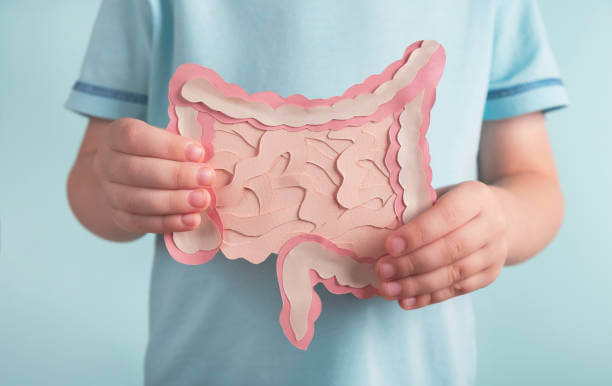
Your gut serves as an ecosystem, composed of various components that work together to support digestion, immunity, and overall health. Let’s explore these components and how they contribute to a healthy gut:
Healthy Bacteria or ‘Good’ Microbiome: The digestive tract is home to numerous friendly bacteria, fungi, and microorganisms. These microorganisms make up approximately 90% of the cells in our bodies, underscoring the importance of maintaining a balance between beneficial and harmful bacteria. When the balance is disrupted, it can lead to various health issues, including digestive problems and compromised immunity.
Prebiotics: Prebiotics are non-digestible carbohydrates found in certain foods or supplements. They act as a food source for probiotics, nourishing the beneficial bacteria in our gut and supporting their growth. By incorporating prebiotic-rich foods into our diet, we can enhance the overall health of our gut microbiome.
Probiotics: These are live microorganisms that help maintain a balanced gut microbiome and promote digestive health. Probiotics play a crucial role in supporting the immune system, aiding nutrient absorption, and regulating bowel movements. They can be obtained through fermented or cultured foods like yogurt, kefir, sauerkraut, and kimchi. Additionally, probiotic supplements are available, offering a convenient way to introduce these beneficial microorganisms into your routine.
Digestive Enzymes: Digestive enzymes are proteins that assist in breaking down complex carbohydrates, fats, and proteins into simpler molecules for easy absorption by our bodies. Adequate enzyme activity ensures efficient digestion and nutrient absorption, contributing to a healthy gut.
Fiber: Fiber is an indigestible type of carbohydrate found in plant-based foods such as fruits, vegetables, legumes, and whole grains. It serves as an essential component for maintaining regular bowel movements and supporting gut health. Fiber acts as a prebiotic, providing nourishment to beneficial bacteria in the gut and promoting their growth.

Now that we understand the vital components of a healthy gut, let’s explore practical tips to maintain or improve your gut:
Embrace a Plant-Based Diet: Increase your consumption of fruits, vegetables, and other plant-based foods. They are rich in fiber, vitamins, minerals, and antioxidants that support overall gut health.
Minimize Processed Foods: Processed foods often contain added sugars, unhealthy fats, and artificial ingredients that can disrupt the balance of your gut microbiome. Opt for whole, unprocessed foods whenever possible.
Incorporate Probiotic-Rich Foods and Take a Probiotic: Some foods include fermented or cultured foods in your diet to introduce beneficial probiotic organisms. Kefir, kombucha, sauerkraut, tempeh, and miso are excellent sources of natural probiotics.
Add Prebiotic-Rich Foods: Enhance your gut health by incorporating prebiotic-rich foods. Examples include chicory root, garlic, onion, leeks, asparagus, bananas, and Jerusalem artichoke.
Manage Stress Levels: Chronic stress can disrupt the balance of your gut microbiome and contribute to digestive issues. Engage in stress-reducing activities such as regular exercise, meditation, deep breathing exercises, and spending time in nature.
Stay Hydrated: Drinking an adequate amount of water supports proper digestion and helps maintain regular bowel movements.
Prioritize Sleep: Sufficient sleep is crucial for overall health, including gut health. Aim for 7-8 hours of quality sleep per night.
Neuropathy can cause a range of digestive issues, including abdominal pain, constipation, nausea, vomiting, and diarrhea. Since the gut and the nervous system are intricately linked, any disruption in your gut microbiome balance can trigger or worsen these symptoms.
A healthy gut plays an essential role in managing neuropathic pain and related symptoms. By focusing on improving gut health, you can reduce inflammation in the gut, support nerve regeneration, and enhance overall digestive health. This, in turn, can make it easier to manage neuropathy symptoms and improve your quality of life.
For optimum gut health, I would like to introduce you to our remarkable product, GutRegen. With its natural ingredients and carefully formulated blends of probiotics, GutRegen is designed to support the health of your digestive system. It aims to promote a balanced gut microbiome, enhance nutrient absorption, and support overall gut health.
GutRegen offers an easy-to-use formula that can be seamlessly integrated into your daily routine. By taking GutRegen regularly, you can take a proactive step toward better gut health, potentially experiencing relief from neuropathy symptoms and enjoying improved overall well-being.
We hope these tips and insights have been helpful to you on your journey toward better gut health and neuropathy management.
If you’re seeking additional guidance or have any questions about managing your digestive health, please don’t hesitate to reach out to us. We’re here to provide expert assistance and help you achieve better gut health and overall well-being.
These statements have not been evaluated by the Food and Drug Administration.
These products are not intended to diagnose, treat, cure or prevent any disease. Individual results may vary.
© 2022, PremVitality. All Rights Reserved